
Experience an unforgettable journey exploring the Sacred Valley of the Incas and Machu Picchu.
There’s no single best time to visit Machu Picchu — it depends on what matters most to you. Clear skies and dry trails? Go in June or July. Lush green terraces with fewer tourists? Late October or November might be your window. Planning around budget and availability? February has its own case to make. This guide breaks it all down month by month so you can choose the timing that fits your trip.
The two seasons at Machu Picchu
Machu Picchu sits at 2,430 meters (7,972 feet) in the cloud forest of the Peruvian Andes. Its climate is governed by two clear seasons: dry and wet.
Dry season (May–October)
This is peak travel season for a reason. Temperatures during the day sit between 12°C and 22°C (54–72°F), rainfall is minimal, and the mountain skies are reliably clear. Trails are firm, views are unobstructed, and sunrise from the Guardian’s Hut is at its most spectacular. The trade-off: this is when Machu Picchu is at its most crowded, and tickets — especially for Huayna Picchu Mountain — sell out months in advance.
Rainy season (November–April)
Rain arrives most afternoons and can last for hours. Temperatures stay mild (rarely cold), but the site is wetter and trails can be muddy. On the other hand, crowds are thinner, the terraces are vividly green, and morning light through the mist creates photographs that look almost surreal. Tickets are easier to find, and prices for tours and accommodation are often lower.
Month-by-month breakdown
January
Weather: Heavy rain, frequent afternoon downpours. Some trails may close temporarily.
Crowds: Low — this is one of the quietest months.
Verdict: Only for travelers comfortable with rain. If you go, book the morning entry slot and plan to leave before noon.
February
Weather: Peak rainy season. The Inca Trail closes entirely throughout February for maintenance and restoration.
Crowds: Very low — the lowest of the year.
Verdict: Not ideal, but if February is your only option, Machu Picchu is still accessible via train from Cusco and the citadel itself remains open. The reward is near-empty pathways and dramatic misty photography. Alternative access routes like the Hydroelectric Route are a practical option this month.
March
Weather: Rain starts tapering off, though still frequent. The Inca Trail reopens at the end of the month.
Crowds: Still low, beginning to pick up.
Verdict: A transitional month. You might get lucky with clear windows, especially in the morning.
April
Weather: The rains are easing. Some unpredictable days but increasing sunshine.
Crowds: Moderate — Easter week (Semana Santa) is a major spike and sells out fast.
Verdict: One of the underrated months if you avoid Easter. Good light, green landscapes, and manageable crowds.
May
Weather: The dry season begins properly. Clear skies become the norm, temperatures are pleasant.
Crowds: Moderate to high — this is when tourist numbers start climbing fast.
Verdict: One of the best months. You get near-dry-season conditions without the full July crush. Book tickets 6–8 weeks out.
June
Weather: Peak dry season. Virtually no rain. Cool mornings, warm afternoons, brilliant light.
Crowds: High. June 24 is Inti Raymi (Festival of the Sun in Cusco) — one of the busiest days of the entire year for the region.
Verdict: Spectacular conditions, but book everything — tickets, trains, hotels — at least 3 months ahead. If you’re visiting for Inti Raymi, note that the main ceremony is in Cusco, not Machu Picchu.
July
Weather: The driest month. Clear skies are almost guaranteed.
Crowds: Peak season — the busiest month of the year. Tickets for Huayna Picchu sell out within minutes of being released.
Verdict: Best weather, most people. If you must visit in July, book 3+ months in advance and go with a package from a tour operator like Mapi Holidays who can secure ticket allocations on your behalf.
August
Weather: Still dry season, with slightly more wind than July.
Crowds: High — school holidays across Latin America and Europe keep this month busy.
Verdict: Similar to July. Excellent conditions, high demand. Book far in advance.
September
Weather: Dry season continues, often with beautiful golden light in the afternoons.
Crowds: Noticeably lower than July–August. This is one of the sweet spot months.
Verdict: One of the best months to visit. Near-perfect weather, fewer tourists, easier ticket availability. Book 4–6 weeks ahead.
October
Weather: Transitional. Dry days early in the month give way to occasional rain by late October. The landscape turns green again.
Crowds: Low to moderate.
Verdict: Another hidden gem month. You may catch some rain, but the citadel is uncrowded and the green-against-misty-mountains look is stunning.
November
Weather: Rainy season kicks in properly. Morning clouds and afternoon showers become regular.
Crowds: Low.
Verdict: Good for budget travelers or those who want solitude. Bring waterproofs and target the early entry slot.
December
Weather: Increasingly wet. Some trail sections close after heavy rain.
Crowds: Usually low, but Christmas week and New Year’s Eve see a significant spike.
Verdict: Avoid Christmas week unless you book well in advance. The rest of December is quieter than people expect.
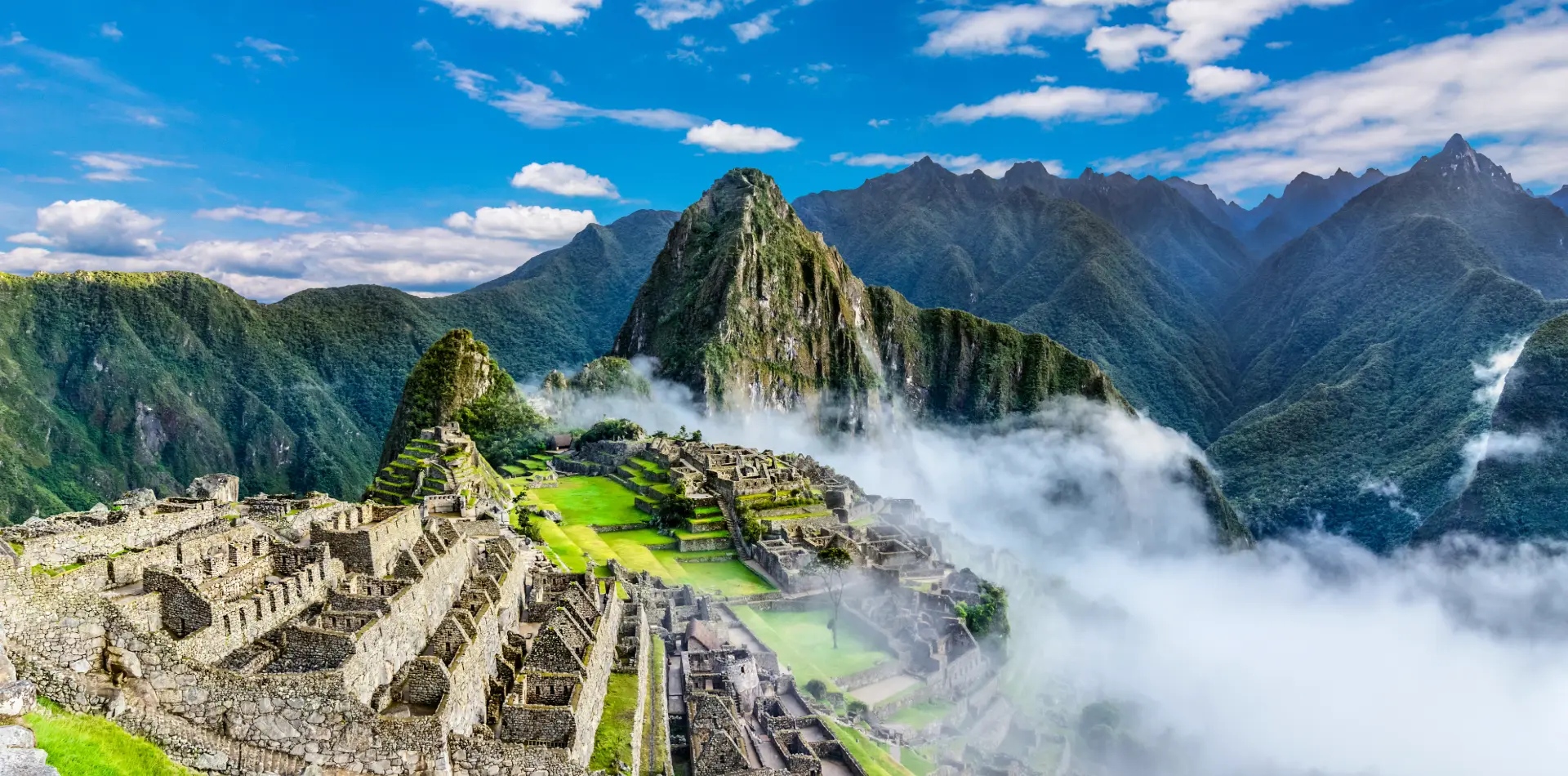
When are there the fewest tourists?
If avoiding crowds is your top priority, these are the quietest periods:
- January–February: Fewest visitors of the year, but also the wettest.
- November–early December: Quiet with manageable rain.
- Weekdays in any month: Regardless of season, Tuesday–Thursday are consistently less crowded than weekends.
- Afternoon entry (2:00–5:30 PM): The least popular time slot across all months.
When are there the most tourists?
Expect peak crowds during:
- July and August — international summer holidays
- June 24 (Inti Raymi) — the entire Cusco region sees a surge
- Easter week (Semana Santa) — varies by year but always busy
- Peruvian national holidays — especially late July (Fiestas Patrias, July 28–29)
- Christmas and New Year’s week
Dry season vs. rainy season: which is actually better?
The honest answer: it depends on your priorities.
| Dry Season (May–Oct) | Rainy Season (Nov–Apr) | |
|---|---|---|
| Weather | Clear, sunny, ideal | Wet, misty, unpredictable |
| Crowds | High (peak) | Low to moderate |
| Ticket availability | Books out fast | Easier to find last minute |
| Landscape | Dry, brown-gold terraces | Lush, intensely green |
| Photography | Sharp, clear panoramas | Atmospheric mist & drama |
| Prices | Higher (hotels, tours) | Lower, more negotiable |
| Inca Trail access | Fully open | Closed in February |
Best time for the Inca Trail
If hiking the classic 4-day Inca Trail is on your list, the timing considerations are even more specific:
- The trail is closed every February without exception for restoration work.
- Permits are capped at 500 people per day (including guides and porters) and sell out months in advance — especially for May–September.
- The best months for the Inca Trail are May, September, and early October: dry, not too cold, and slightly less congested than July–August.
- During rainy season (November–January), the trail remains open but some sections become slippery and challenging.
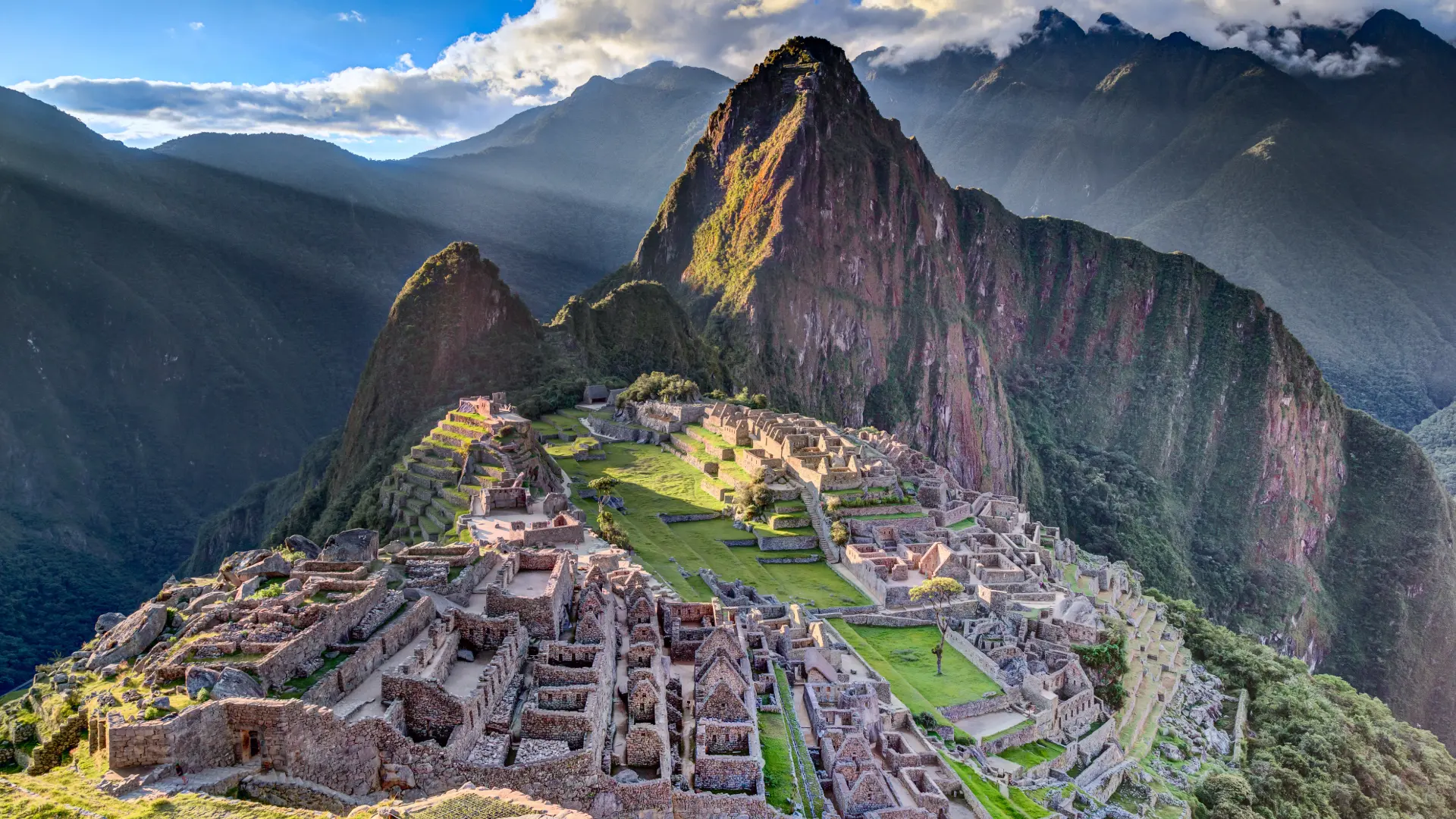
Best time for photography
Two very different aesthetics to choose from:
Classic clear panoramas
June–August, first entry slot (6:00 AM). The site is bathed in early light, shadows are long, and on clear mornings you can see the full sweep of the citadel with Huayna Picchu rising behind it. Arrive at the Guardian’s Hut early and wait — the crowds catch up by 9 AM.
Misty, ethereal atmosphere
November–January, any morning entry. The cloud forest earns its name. Mist drifts through the stone corridors and terraces, creating a mysterious, almost prehistoric look. Many photographers prefer this to the «postcard» version — it’s harder to get right but unforgettable when it works.
Best time for families with children
Families tend to do best in May, September, or October — dry enough to be comfortable, warm enough not to need heavy layers, and with manageable (but not overwhelming) crowds. If you’re travelling with young children, the 2-day Machu Picchu and Sacred Valley package is a popular choice — it adds context to the visit through the easier-to-navigate Sacred Valley sites before tackling the citadel itself.
Planning your visit: practical next steps
Once you’ve chosen your ideal month, two things to sort out immediately:
- Buy your entry tickets — read our full guide on Machu Picchu tickets: prices, circuits and how to buy them for the step-by-step process.
- Book your transport and accommodation — trains from Cusco to Aguas Calientes fill up fast during peak season, often before tickets do.
If you’d rather have everything handled in one go, Mapi Holidays offers several packages that cover entry tickets, trains, guides, and accommodation — from a simple full-day Machu Picchu tour to the full 4-day Inca Trail experience. Browse all options on our Machu Picchu packages page or contact our team to build a custom itinerary around your dates.
Frequently asked questions
What is the best month overall to visit Machu Picchu?
May and September are the most consistently recommended months — dry season conditions, good availability, and noticeably fewer crowds than peak July–August. If you want the absolute best weather and don’t mind booking far in advance, June and July are exceptional.
Can you visit Machu Picchu in the rain?
Yes, absolutely. The site doesn’t close in the rain (unless there’s an extreme weather event or landslide). Bring a good rain poncho, waterproof your bag, and go in the morning before the heaviest rain typically hits. Many visitors find rainy season visits deeply atmospheric.
Is it cold at Machu Picchu?
Not particularly cold — temperatures rarely drop below 10°C (50°F) even in the coolest months. Mornings can feel chilly at altitude, especially if it’s overcast, so bring a light jacket or fleece. By midday it’s usually warm enough for short sleeves.
How crowded does it actually get in peak season?
Machu Picchu allows a maximum of 5,600 visitors per day (divided across entry windows). At peak times in July and August, the site feels noticeably busy, particularly between 9 AM and 2 PM. The early morning slot is significantly quieter even on busy days.
Is Machu Picchu open year-round?
Yes, the citadel is open 365 days a year except during rare closures due to extreme weather, landslides, or government-declared emergencies. However, the Inca Trail is closed every February for annual maintenance.